



Container Space
Te Poho o Rawiri Marae
Supporting the community that supports the community
In the aftermath of Cyclone Gabrielle, Te Poho o Rawiri Marae supported 2500 people in the first week, and continued to be a pillar for the community to lean on in the weeks after.
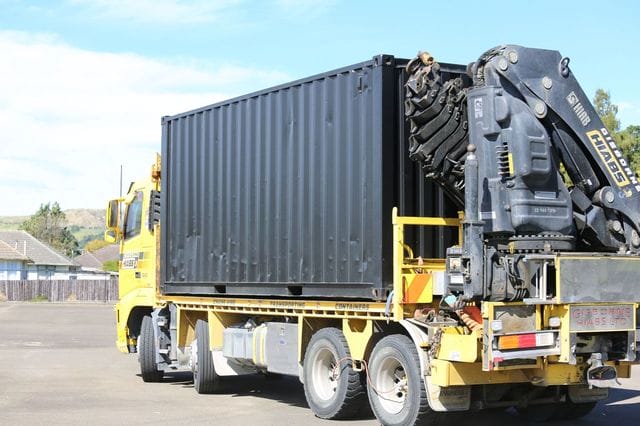
So when the marae asked about leasing a 20 foot container to store e-bikes and sports equipment, it was easy to say “Yes. Have it lease-free”.
“The marae response to the January 2023 disaster was so meaningful. Many people in Gisborne Tairawhiti were displaced for weeks, and Te Poho o Rawiri was there for them,”
says Container Space general manager Nick Walker.
“We’re supporting the community that supports the community.”
Storage solution leads to a fitness buzz
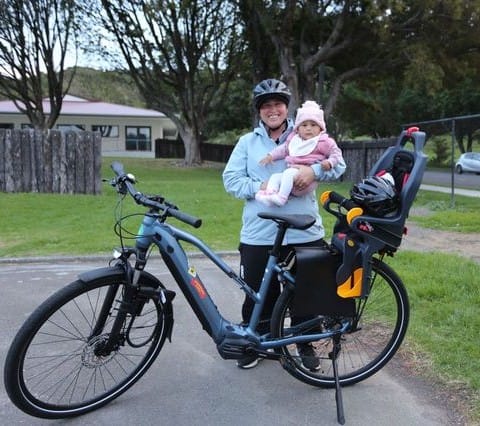
Biking enthusiast Haimona Ngata (Te Aitanga-a-Hauiti) says the shipping container was essential for the marae signing up for E Peke a community e-bike library. He says anyone in the Kaiti area who was interested could borrow the e-bike for three weeks, just to give it a go. The entire taiao (environmental restoration) team at Te Poho o Rawiri signed on, plus ten other local people.
“The uptake was really surprising. There was a lot of curiosity,” says Haimona.
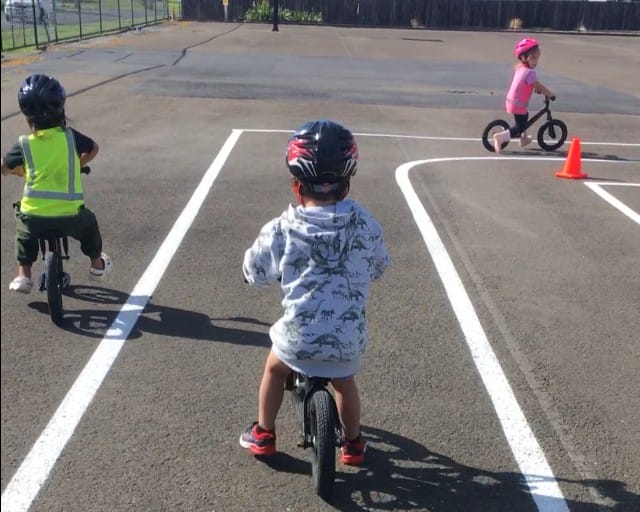
The e-bike library pilot for adults was complimented by a ‘Learn To Stride’ programme for preschoolers who learn to ride balance bikes at the marae, and by teenagers who come to the marae to play basketball as part of the ‘Hoops in Marae’ programme. All the gear for these activities is stored in the lease-free shipping container from Container Space NZ.
Te Poho o Rawiri chair Harata (Char) Gibson (Ngati Oneone) says having a place to store sports equipment has led an increased sense of belonging and a fitness buzz.
Small details that count
Char says they specifically asked Container Space NZ for the container to be painted black, to fit in with the other 5 black containers already on site.
“So they painted it black for us. A small but important thing.”
People regularly visiting the pa = Increased sense of pride + no more rubbish
One outcome for the marae has been more tamariki are now spending more time at the marae, riding their bikes and playing basketball, and says this has led to a noticeable uplift in community spirit.
Char says people used to leave rubbish on the marae “but not now”. She says the knock-on effect of having people frequenting the pa is a noticeable increased sense of pride.
“Now the teenagers are interacting with each other, and me! When I drive in, they now talk to me.
“Even when it’s cold outside, the kids put their coats on and go outside. They are not inside sitting down, they’re outside in the fresh air”.
The basketball courts and learn-to-ride areas are right next to the shipping container, and so it’s easy to access the collection of balls, balance bikes, and pedal bikes.
“A pa is not just for 21st birthdays and tangi (funerals), the marae is for everything else in-between. To have that sense of belonging, that’s what a pa is all about,” says Char.
133 kilometre e-bike ride
Another outcome is the healthy buzz that’s rubbing off on adults at Te Poho o Rawiri Marae.
Char says that of the 30 people who borrowed an e-bike, two of them now don’t drive a car anymore.
“They ride their e-bikes everywhere. One rode their e-bike 133km from Gisborne to Mahia, because they could!”
Char says the taiao team also prefer environmentally friendly transport to offset some of the emissions from their work trucks. The marae is committed to restoring Kaiti Hill (Titirangi) and has a programme for trapping pests, keeping weeds down, and restoration planting.
Titirangi is of cultural significance to Ngāti Oneone, with plans for a cultural centre on the summit.
A powerful business ethic
“Saying “Just hold onto it” has made a powerful difference. It’s such a great business ethic,” says Haimona.
Kaiti Hard is now business as usual for Te Poho o Rawiri Marae
Char says ‘Kaiti Hard’ was the name of the pa’s response to the Covid-19 emergency, and Kaiti Hard was activated after the 2023 cyclone devasted the Tairawhiti region.
Since Covid-19, nothing has been the same for Te Poho o Rawiri Marae. Char says the ‘Kaiti Hard’ kaupapa remains, and is now business as usual.
“We’re committed to thrive and grow as a whānau.”